

oval bathroom mirror with light
Understanding No Go Pin Gauges An Essential Tool for Quality Control In the realm of manufacturing and quality control, precision is paramount. One of the essential tools used in ensuring that parts meet strict tolerances is the no go pin gauge. This simple yet effective instrument plays a crucial role in verifying the dimensions of various components, ensuring that they meet specifications and can function properly in their intended applications. In this article, we will delve into the purpose, design, and application of no go pin gauges, highlighting their significance in the manufacturing process. What is a No Go Pin Gauge? A no go pin gauge is a type of measuring tool used in the inspection of holes and slots in components. It typically comes in two variants the go gauge and the no go gauge. The go gauge is used to determine if an object fits within the desired size range, whereas the no go gauge is designed to check for maximum allowable limits. If the no go gauge fits into the hole or slot being measured, it indicates that the part does not meet the required specifications and is deemed unacceptable. Design and Materials No go pin gauges are usually made from high-quality materials such as hardened steel or carbide to ensure durability and precision. Their design is straightforward; they often resemble a pin or cylindrical shape that is available in various diameters. The no go gauge is calibrated to match the specified tolerances, with precise dimensions that allow for accurate assessments during inspections. The ends of the pin gauge are usually marked with the gauge size, and some may feature additional markings to facilitate understanding of the measurement system being used. For industries that demand high precision, such as aerospace and automotive, the construction and calibration of no go pin gauges are subject to strict standards to ensure accuracy over time. Applications of No Go Pin Gauges No go pin gauges find applications across various industries, particularly in quality control processes where adherence to specifications is critical. They are commonly used in no go pin gauge 1. Manufacturing During the production of parts, no go gauges help in verifying that holes and slots are not oversized or out of tolerance. This is crucial to ensuring that components fit together correctly in assemblies. 2. Maintenance and Repair In the maintenance of machinery, technicians may use no go pin gauges to assess wear in components. If a part shows signs of being out of tolerance, it may need to be replaced or repaired to maintain optimal function. 3. Tool Making Toolmakers employ no go gauges to ensure that they create tools that meet specified tolerances. This is vital for the production of tools that will be used for critical applications, where deviations can lead to failures or inefficiencies. 4. Quality Assurance In quality assurance programs, no go pin gauges are an integral part of the inspection process. They help to confirm that manufactured parts or assemblies meet the rigorous standards required by regulatory bodies and industry norms. Benefits of Using No Go Pin Gauges The primary benefit of using no go pin gauges is enhanced quality control. By providing a straightforward method to evaluate whether parts are within permissible limits, manufacturers can reduce the risk of defective products entering the market. This, in turn, leads to increased customer satisfaction and decreased costs associated with returns and repairs. Additionally, no go pin gauges are easy to use and do not require complex calibration procedures, making them an accessible tool for operators on the shop floor. Their durability ensures that they can be used repeatedly without significant wear, maintaining accuracy over long periods. Conclusion No go pin gauges are indispensable tools in the world of manufacturing and quality assurance. Their ability to provide a clear, objective measurement ensures that components meet essential specifications, leading to better overall product quality. As industries continue to advance and the demand for precision increases, the role of no go pin gauges will remain vital in maintaining high standards of workmanship and reliability. Whether in a large-scale manufacturing operation or a small repair shop, understanding and utilizing no go pin gauges can significantly contribute to the overall success of production processes.
about
oval bathroom mirror with light
Understanding Non-Return Gate Valves Functionality, Applications, and Advantages Non-return gate valves, also known as check valves, play a crucial role in various piping systems by ensuring the unidirectional flow of fluids. Unlike traditional gate valves, which allow for flow in both directions when opened, non-return gate valves are specifically designed to prevent backflow, thereby protecting equipment and maintaining system integrity. This article delves into the functionality, applications, and advantages of non-return gate valves in modern engineering. Functionality of Non-Return Gate Valves The primary function of a non-return gate valve is to prevent reverse flow in a pipeline. It accomplishes this through a simple yet effective mechanism that relies on the pressure differential across the valve. When the fluid flows in the designated forward direction, it lifts the valve disc or gate, allowing fluid to pass through. However, if there is a tendency for the fluid to flow back, the pressure difference causes the disc to close, sealing the valve and preventing any backward flow. A typical non-return gate valve consists of several key components, including the body, seat, disc, and spring (in some designs). The material used for the valve is usually of high quality, often made from metals like stainless steel, brass, or even plastic, depending on the application's requirements and the fluid type being handled. The design can vary, ranging from flanged to threaded connections, making it versatile for installation across various piping systems. Applications of Non-Return Gate Valves Non-return gate valves are widely utilized across many industries due to their reliability and effectiveness in preventing backflow. Some common applications include 1. Water Supply Systems In municipal water distribution networks, non-return gate valves are essential for preventing contaminated water from flowing back into clean water supplies. Their usage ensures compliance with safety regulations and protects public health. 2. Wastewater Treatment In sewage systems, these valves prevent the backflow of sewage into treatment plants or residential areas, protecting infrastructure and minimizing health risks. 3. Oil and Gas Industry Non-return gate valves are critical in oil pipelines to prevent backflow during pressure changes, ensuring smooth operational flow and protecting pumps and compressors from damage . non return gate valve 4. Chemical Processing In chemical plants, backflow prevention is crucial to avoid mixing of different substances, which can lead to dangerous reactions. Non-return gate valves protect against system failures by ensuring the controlled flow of reactants. 5. HVAC Systems These valves are employed in heating and cooling systems to maintain proper flow direction, ensuring efficient operation and preventing damage to system components. Advantages of Non-Return Gate Valves The benefits offered by non-return gate valves are significant and contribute to their widespread use in industries. Some of the key advantages include - Prevention of Backflow The primary advantage is their ability to prevent reverse flow, which is critical in maintaining the integrity of piping systems and preventing contamination. - Reduced Maintenance Costs Since they are designed for a specific function and typically have fewer moving parts, non-return gate valves are often more durable and require less maintenance compared to other valve types. - Versatility With various designs available, these valves can be adapted to meet specific operational requirements in different environments, whether it is high pressure, high temperature, or corrosive substances. - Improved Safety In many industrial applications, the failure to prevent backflow can lead to severe safety hazards. Non-return gate valves play a vital role in enhancing operational safety. Conclusion In summary, non-return gate valves are integral components in various piping systems that ensure the efficient and safe flow of fluids. Their primary function of preventing backflow helps protect infrastructure, maintain product quality, and enhance operational efficiency, making them indispensable in numerous industries. As technology advances, the design and material used in non-return gate valves continue to evolve, further improving their functionality and application range. Understanding their operation and benefits is essential for engineers and operators involved in fluid handling systems, allowing for the selection of the right valve for specific needs.
-

High quality industrial productsagement

High quality industrial products
View Details -

Meet the diverse needs of customers

Meet the diverse needs of customers
View Details -

Strict quality control

Strict quality control
View Details -

Top raw materials

Top raw materials
View Details -

Trusted supplier

Trusted supplier
View Details
Our application
news and information
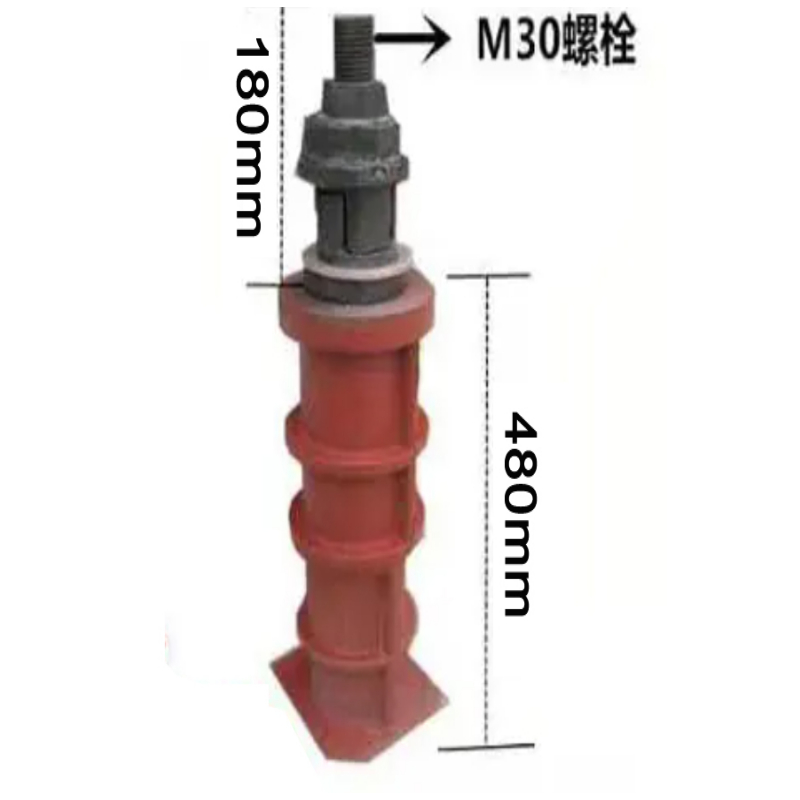
Valvola filtro tipo y
La Valvola Strainer di Tipo Y Importanza e Funzionamento La valvola strainer di tipo Y è un componen
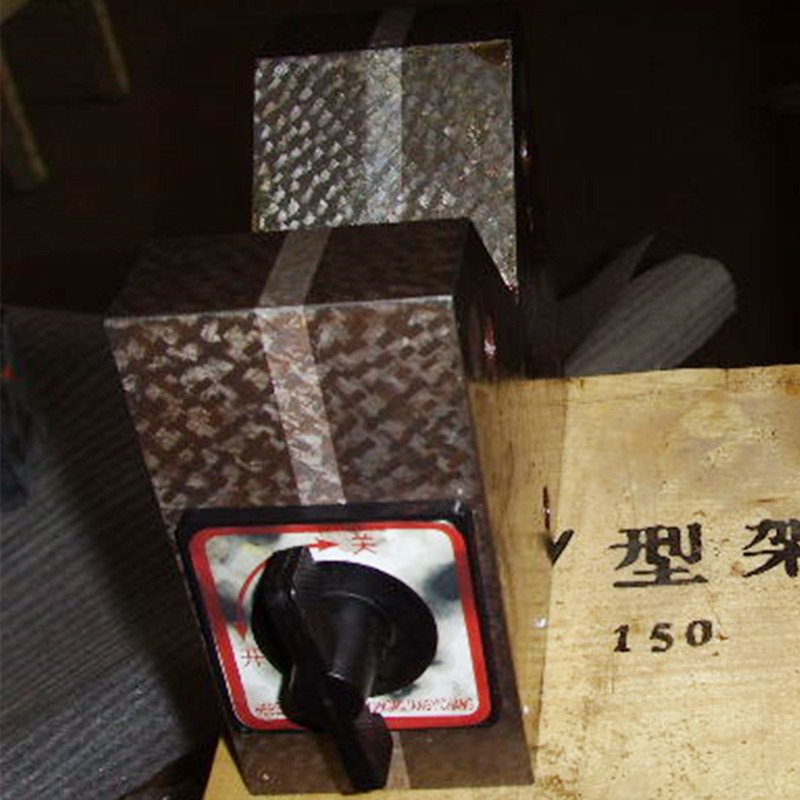
Various Types of Micrometers and Their Applications in Precision Measurement
Types of Micrometers A Comprehensive Guide Micrometers are precision measuring instruments commonly
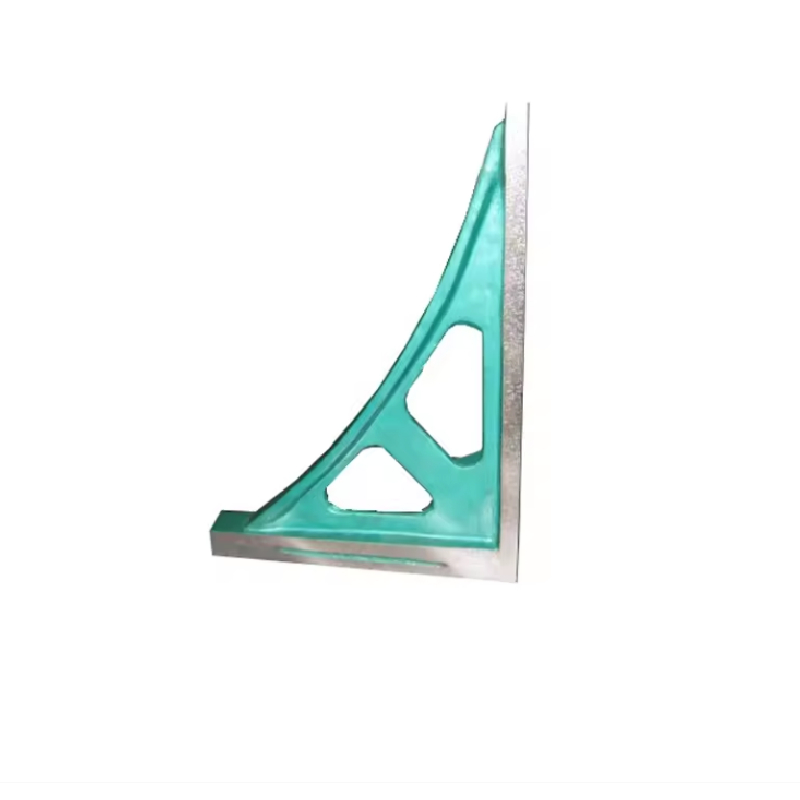
welding inspection ruler
The Importance of Welding Inspection Rulers in Quality Control In the world of manufacturing and con
 English